Most of us don’t spend much time thinking about our kidneys. They quietly do their job every single day—filtering waste, balancing fluids, helping control blood pressure, and keeping our body working the way it should.
That’s probably why kidney disease catches so many people by surprise.
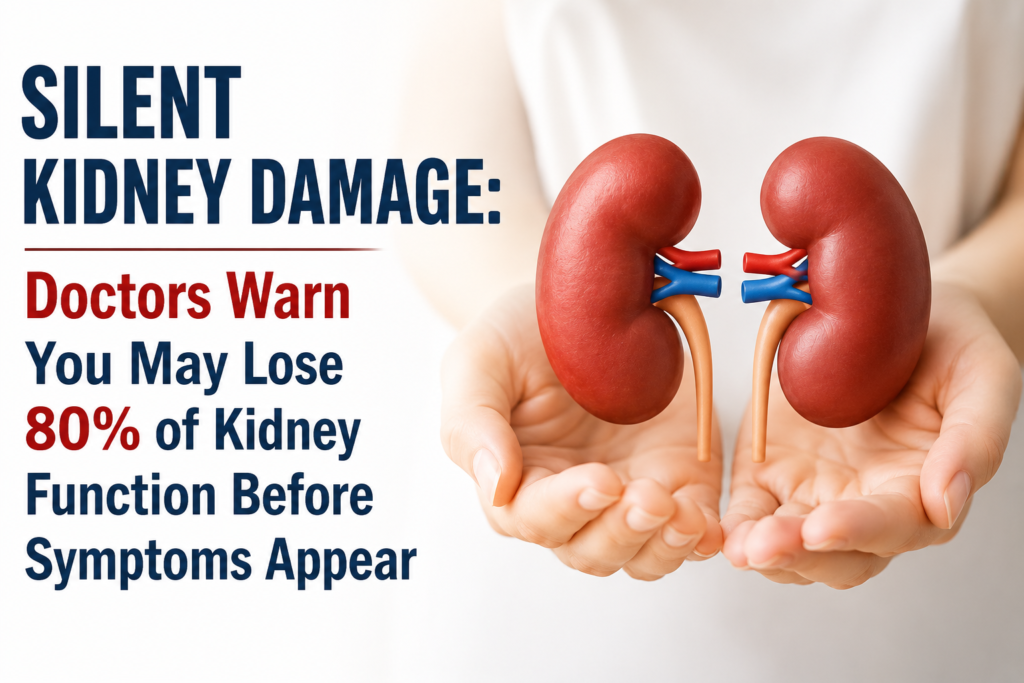
Doctors often warn that you can lose up to 80% of your kidney function before obvious symptoms begin to appear. By the time many people notice something is wrong, the kidneys may already have been under stress for months or even years.
It sounds frightening, but there’s another side to this story. Kidney damage often develops slowly, which means there are opportunities to catch it early if you know what to look for and get regular health checks.
H2: Why Kidney Damage Is Called a “Silent Disease”
Unlike a broken bone or a bad infection, kidney disease usually doesn’t cause sudden pain in its early stages.
Healthy kidneys have an impressive ability to keep working, even when some of their filtering units have already been damaged. They simply work harder to make up for the loss. That sounds helpful, but it also means problems can stay hidden for a long time.
This is why doctors sometimes discover chronic kidney disease during a routine blood test rather than because someone felt sick.
Many people say the same thing after being diagnosed: “I felt completely fine.”
H2: The Small Symptoms People Often Ignore
When symptoms finally appear, they can be so mild that they’re easy to blame on everyday life.
H3: Feeling More Tired Than Usual
Everyone gets tired sometimes. But kidneys help remove waste products from your blood. When they don’t work properly, these waste products can build up, leaving you feeling exhausted even after a full night’s sleep.
If fatigue doesn’t improve and you can’t explain why, it’s worth mentioning to your doctor.
H3: Swelling Around the Feet or Ankles
Damaged kidneys may struggle to remove extra fluid from the body.
You might notice swollen feet, ankles, or even puffiness around your eyes in the morning. It isn’t always kidney disease, but it shouldn’t be ignored either.
H3: Changes in Urination
Your bathroom habits can sometimes tell an important story.
Watch for changes such as:
- Urinating more often at night
- Foamy or bubbly urine
- Blood in the urine
- Dark-colored urine
- Passing much less urine than usual
Not every change means kidney disease, but persistent changes deserve medical attention.
H2: Who Has the Highest Risk?
Kidney disease can affect anyone, but some people have a much higher chance of developing it.
The biggest risk factors include:
| Risk Factor | Why It Matters |
|---|---|
| Diabetes | High blood sugar can damage tiny blood vessels in the kidneys over time. |
| High blood pressure | Constant pressure slowly weakens kidney tissue. |
| Family history | Genetics can increase your risk. |
| Heart disease | Heart and kidney health are closely connected. |
| Smoking | Reduces healthy blood flow and increases kidney damage. |
| Obesity | Raises the risk of diabetes and high blood pressure. |
| Age over 60 | Kidney function naturally declines with age, making regular screening more important. |
If you have one or more of these risk factors, doctors often recommend regular kidney function tests, even if you feel perfectly healthy.
H2: Everyday Habits That Can Slowly Harm Your Kidneys
Most kidney damage doesn’t happen overnight.
Sometimes it’s years of small habits adding up.
H3: Drinking Too Little Water
Your kidneys need enough fluid to help remove waste from the body.
While there’s no magic number that fits everyone, staying properly hydrated is generally good for kidney health. A simple habit like carrying a water bottle during the day can help many people drink enough without thinking about it.
H3: Taking Painkillers Too Often
Many people regularly use over-the-counter pain medicines without realizing they can affect kidney function when taken frequently or in high doses.
Always follow the recommended dose and speak with your healthcare provider if you need pain medication regularly.
H3: Eating Too Much Salt
A diet high in salt may increase blood pressure, which is one of the leading causes of kidney damage.
You don’t have to stop enjoying food. Simply reducing processed foods and tasting meals before adding extra salt can make a noticeable difference over time.
H2: Simple Tests Can Detect Problems Early
One of the encouraging things about kidney disease is that early testing is quick and straightforward.
Doctors commonly use:
- Blood tests to measure kidney function
- Urine tests to check for protein or blood
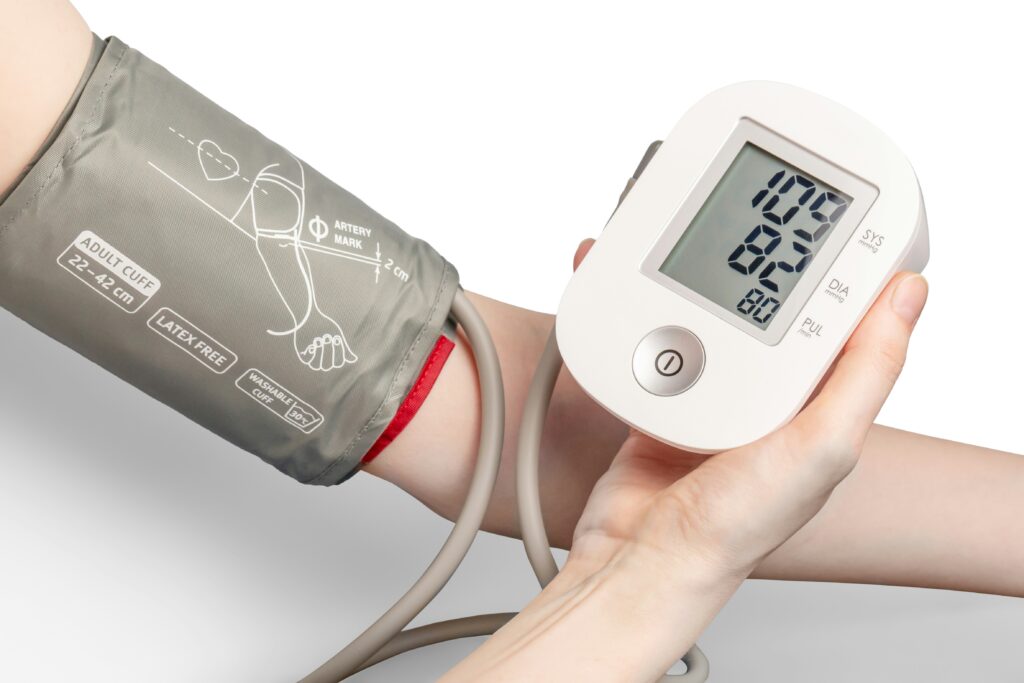
- Blood pressure checks
- Blood sugar testing, especially for people with diabetes
These routine tests can often identify kidney problems long before symptoms become obvious.
H2: Everyday Habits That Help Protect Your Kidneys
You don’t need expensive supplements or special detox drinks to support kidney health.
Doctors generally recommend simple lifestyle habits that benefit your whole body:
- Keep blood pressure under control.
- Manage blood sugar if you have diabetes.
- Drink enough water throughout the day.
- Eat more fresh fruits and vegetables.
- Limit highly processed foods.
- Stay physically active.
- Avoid smoking.
- Maintain a healthy weight.
- Take medicines only as directed.
- Get regular health check-ups if you’re at higher risk.
One thing many people don’t realize is that kidney health and heart health are closely connected. Looking after one usually helps protect the other.
Your kidneys work around the clock without asking for much in return. They don’t usually send loud warning signs when something goes wrong, which is exactly why paying attention to regular health checks matters. Catching kidney disease early often gives doctors more options to slow its progress and help preserve healthy kidney function for years to come.