
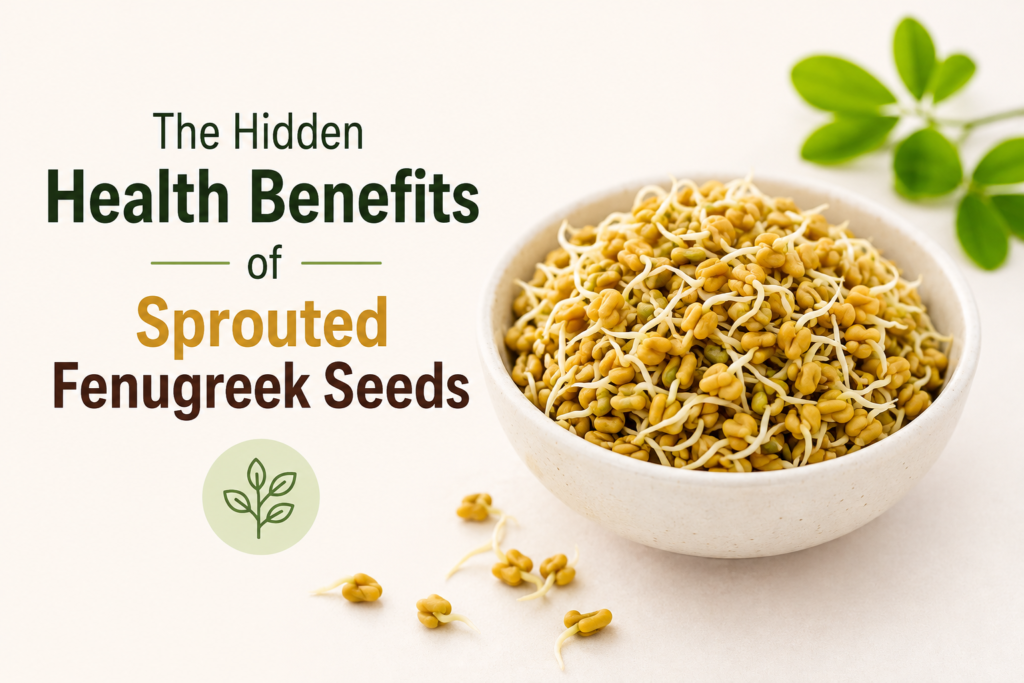
Fenugreek seeds have been part of traditional kitchens for generations. Most of us know them as a spice that adds a slightly bitter flavor to curries and pickles. But when these tiny seeds are soaked and allowed to sprout, something interesting happens. They become softer, easier to eat, and even more nutritious.
You don’t have to be a health expert to enjoy their benefits. In fact, a small handful of sprouted fenugreek seeds can easily fit into your daily routine. They don’t promise overnight miracles, but they do offer several health benefits that are backed by nutrition science.
If you’ve never tried them before, you might be surprised at how much these tiny sprouts can do.
Why Sprouted Fenugreek Seeds Are Different
Sprouting is a natural process that wakes the seed up. During this stage, the seed begins to grow, and its nutritional profile changes.
Many people find that sprouted fenugreek seeds are easier to digest than dry seeds. Sprouting may also increase the availability of certain vitamins, antioxidants, and beneficial plant compounds. The bitterness becomes a little milder too, although it doesn’t disappear completely.
That’s probably why many people who dislike plain fenugreek seeds are happy to eat the sprouted version.
Better Digestion Starts with Small Changes
Sprouts May Support a Healthier Gut
One of the biggest reasons people eat sprouted fenugreek seeds is for digestion.
These sprouts contain fiber, which helps food move smoothly through the digestive system. If you often deal with constipation or feel bloated after meals, adding a small amount of sprouts to your diet may help over time.
Fenugreek also contains natural compounds that may soothe the stomach and support healthy digestion. Of course, everyone’s body is different, but many people notice they feel lighter after making sprouts part of their meals.
A Natural Way to Support Blood Sugar
Fenugreek has been studied for its role in blood sugar management.
May Help Maintain Healthy Blood Sugar Levels
The fiber and plant compounds found in fenugreek may help slow the absorption of carbohydrates after meals. This can lead to a steadier rise in blood sugar instead of sharp spikes.
For people who are trying to manage prediabetes or type 2 diabetes, sprouted fenugreek may be a useful addition to an overall healthy diet. It should never replace prescribed medication, but it can work alongside healthy eating habits.
If you’re taking diabetes medication, it’s always wise to speak with your doctor before eating fenugreek regularly because it may affect blood sugar levels.
Can It Help with Weight Loss?
There’s no magic food for weight loss, but some foods make healthy eating easier.
Sprouted fenugreek seeds are rich in fiber, which helps you feel full for longer. When you’re satisfied after a meal, you’re less likely to keep reaching for snacks throughout the day.
Many people even add a spoonful of sprouts to salads, sandwiches, or breakfast bowls simply because they add texture without adding many calories.
It’s one of those tiny habits that may not seem important today but can make a difference over time.
Good News for Your Heart
Your heart benefits from healthy daily choices, and sprouted fenugreek seeds can be one small part of that picture.
Some research suggests fenugreek may help support healthy cholesterol levels when combined with a balanced diet and regular exercise. It also contains antioxidants that help protect the body’s cells from oxidative stress.
No single food can guarantee heart health, but eating a variety of nutrient-rich foods certainly helps.
Packed with Helpful Nutrients
Small Seeds, Plenty of Nutrition
Sprouted fenugreek seeds provide several important nutrients, including:
- Fiber
- Plant protein
- Iron
- Magnesium
- Potassium
- Vitamin C (in small amounts after sprouting)
- Antioxidants
These nutrients support many everyday functions, from energy production to muscle and nerve health.
It’s impressive when you think about how much nutrition can come from something so small.
Easy Ways to Add Them to Your Diet
One of the best things about sprouted fenugreek seeds is that they don’t require complicated recipes.
You can enjoy them by:
- Mixing them into fresh salads
- Adding them to sandwiches or wraps
- Sprinkling them over yogurt
- Mixing them into vegetable stir-fries
- Adding them to sprouts chaat with tomatoes, onions, cucumber, and lemon juice
- Blending a small amount into smoothies if you don’t mind the slightly earthy taste
Start with one or two tablespoons a day. Since fenugreek has a naturally strong flavor, eating too much at once may not suit everyone.
A Few Things to Remember
While sprouted fenugreek seeds are generally safe for most healthy adults, moderation is important.
Wash sprouts properly before eating, and prepare them hygienically to reduce the risk of bacterial contamination. Pregnant women, people with certain medical conditions, or those taking blood sugar or blood-thinning medications should consult their healthcare provider before making fenugreek a regular part of their diet.
Also, don’t expect instant changes. Healthy foods work best when they’re part of a consistent lifestyle, not a quick fix.
Adding sprouted fenugreek seeds to your meals is one of those simple habits that doesn’t require much effort. They’re affordable, easy to prepare at home, and surprisingly versatile. Sometimes it’s these small, everyday foods—not the expensive superfoods—that quietly make the biggest difference to our overall health.