
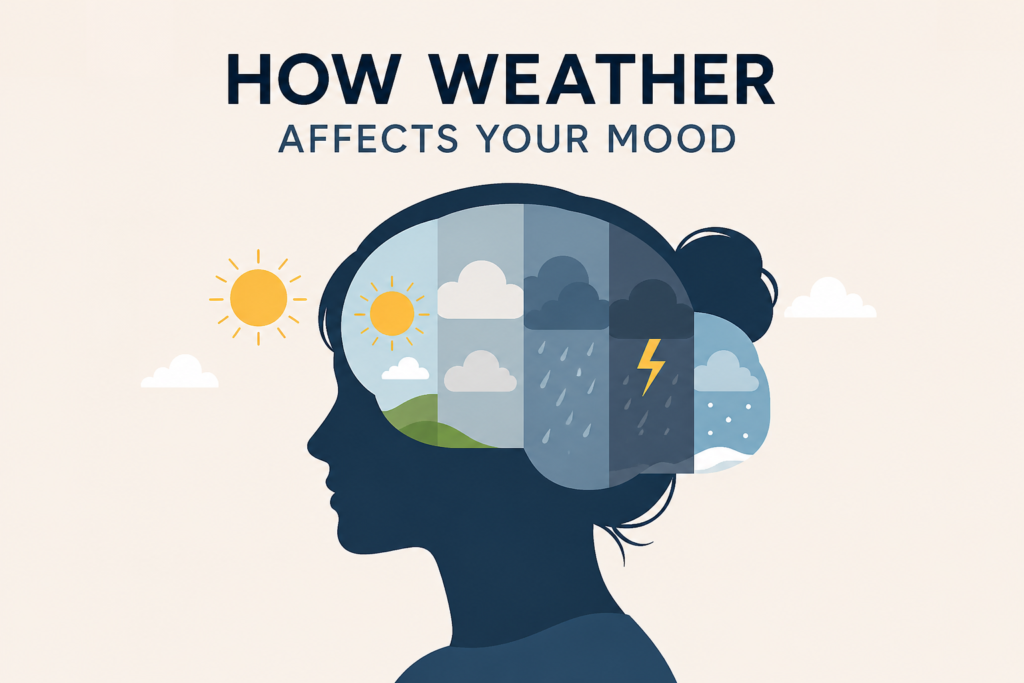
Have you ever noticed that you feel happier on a bright sunny day or a little lazy when it keeps raining for days? You’re not alone. Many people experience changes in mood depending on the weather, even if they don’t realize it.
The connection between weather and emotions has been discussed for years. While weather doesn’t control our feelings completely, it can influence our energy, motivation, sleep, and overall mental well-being. Some days just feel different, and the sky outside often has more to do with it than we think.
Let’s take a closer look at how weather affects your mood and why your mind sometimes reacts to changes in the environment.
Why Weather Can Influence Your Feelings
Our bodies are closely connected to the natural world. Sunlight, temperature, humidity, and even air pressure can affect hormones and biological processes that influence how we feel.
When the weather changes, our daily routines often change too. We may spend less time outdoors, sleep differently, exercise less, or interact with fewer people. These small changes can have a noticeable impact on mood.
Think about it for a moment. A sunny morning often makes getting out of bed easier, while a dark, cloudy morning may make you want to stay under the blanket a little longer.
The Positive Effect of Sunny Weather
Sunshine is often linked to happiness, and for good reason.
Exposure to sunlight helps the body produce vitamin D and supports the release of serotonin, a chemical that is associated with feelings of well-being and happiness.
What People Often Notice on Sunny Days
- Better mood
- Higher energy levels
- Improved focus
- More motivation to be active
- Better sleep patterns
Many people naturally spend more time outside when the weather is pleasant. A short walk in the sun can sometimes improve your mood more than sitting indoors all day.
Of course, sunshine doesn’t magically solve every problem, but it often gives people a mental boost.
Why Rainy Days Can Feel Different
Rain has a strange effect on people. Some find it calming and relaxing, while others feel tired, sad, or unmotivated.
A rainy day usually means less sunlight, which can affect serotonin levels. Dark skies can also make the day feel shorter, especially during certain seasons.
Common Feelings During Rainy Weather
- Low energy
- Reduced motivation
- Sleepiness
- A desire to stay indoors
- Mild sadness or boredom
At the same time, many people genuinely enjoy rainy weather. The sound of rain, cooler temperatures, and a slower pace can create a comforting atmosphere. It really depends on personality and personal experiences.
Hot Weather and Irritability
Most people enjoy warm weather, but extreme heat can have the opposite effect.
When temperatures become very high, the body works harder to stay cool. This can lead to discomfort, dehydration, and poor sleep. As a result, people may become more impatient or easily annoyed.
Signs That Heat May Be Affecting Your Mood
| Effect | How It Feels |
|---|---|
| Dehydration | Fatigue and headaches |
| Poor sleep | Irritability and low focus |
| Physical discomfort | Increased stress |
| Lack of energy | Reduced motivation |
If you’ve ever felt unusually frustrated during a heatwave, the weather may have played a role.
Cold Weather and Emotional Changes
Cold weather affects people in different ways. Some love winter and feel energized by cool temperatures. Others struggle with shorter days and less sunlight.
Spending more time indoors can sometimes lead to feelings of isolation. Physical activity may decrease, and social plans often become less frequent.
The Role of Shorter Days
During colder months, daylight hours are reduced in many places. Less sunlight can affect the body’s internal clock and mood-regulating hormones.
This is one reason why some people feel more tired or less cheerful during winter.
Seasonal Mood Changes Are Real
Some people experience noticeable mood changes when seasons change.
A well-known example is Seasonal Affective Disorder (SAD), a form of depression linked to seasonal changes, particularly during fall and winter when daylight becomes limited.
Not everyone experiences SAD, but many people notice milder seasonal mood shifts, such as:
- Feeling more energetic in spring
- Becoming less active during winter
- Feeling happier during sunny months
- Experiencing changes in sleep patterns
These changes can be subtle, but they are common.
Small Ways to Protect Your Mood in Any Weather
Weather is something we can’t control, but we can manage how we respond to it.
Get Natural Light Whenever Possible
Even on cloudy days, spending time outdoors can help support a healthy mood.
Stay Active
A short walk, stretching session, or workout can help boost energy levels regardless of the weather.
Keep a Consistent Sleep Schedule
Good sleep helps your body adapt better to seasonal and weather-related changes.
Stay Connected With Others
When bad weather keeps you indoors, make an effort to stay in touch with friends and family.
Don’t Ignore Your Feelings
If you notice that certain weather conditions consistently affect your mood, paying attention to those patterns can help you manage them more effectively.
Weather Affects Everyone a Little Differently
One interesting thing about weather and mood is that there isn’t a single reaction that applies to everyone.
Some people feel happiest during sunny summer days. Others feel most comfortable during cool, cloudy weather. One person may love the sound of rain, while another feels gloomy the moment dark clouds appear.
That’s what makes the connection between weather and emotions so fascinating. The weather outside may not determine your mood completely, but it can quietly influence how you feel, think, and move through your day without you even noticing.