Eating healthy doesn’t have to be confusing. Every few months, there’s a new diet trend or a “superfood” that promises amazing results. It can make you feel like you need to completely change your kitchen overnight. The truth is much simpler.
For most women, good nutrition is about eating a variety of wholesome foods every day. You don’t need expensive supplements or fancy meal plans. Small, consistent choices often make the biggest difference.
Whether you’re trying to stay active, build strength, manage your weight, or simply feel more energetic, the food on your plate matters. It fuels your body, supports your hormones, and helps you recover after busy days and workouts.
Why Nutrition Is So Important for Women
Women’s nutritional needs change throughout life. Hormones, pregnancy, breastfeeding, menopause, and even monthly menstrual cycles can affect what your body needs.
That’s why eating a balanced diet is so important. It helps maintain healthy bones, supports muscle strength, improves energy levels, and keeps your immune system working properly.
The goal isn’t to eat perfectly. It’s to eat well most of the time.
Fill Your Plate with Color
Fruits and Vegetables
One of the easiest ways to improve your diet is by adding more colorful fruits and vegetables.
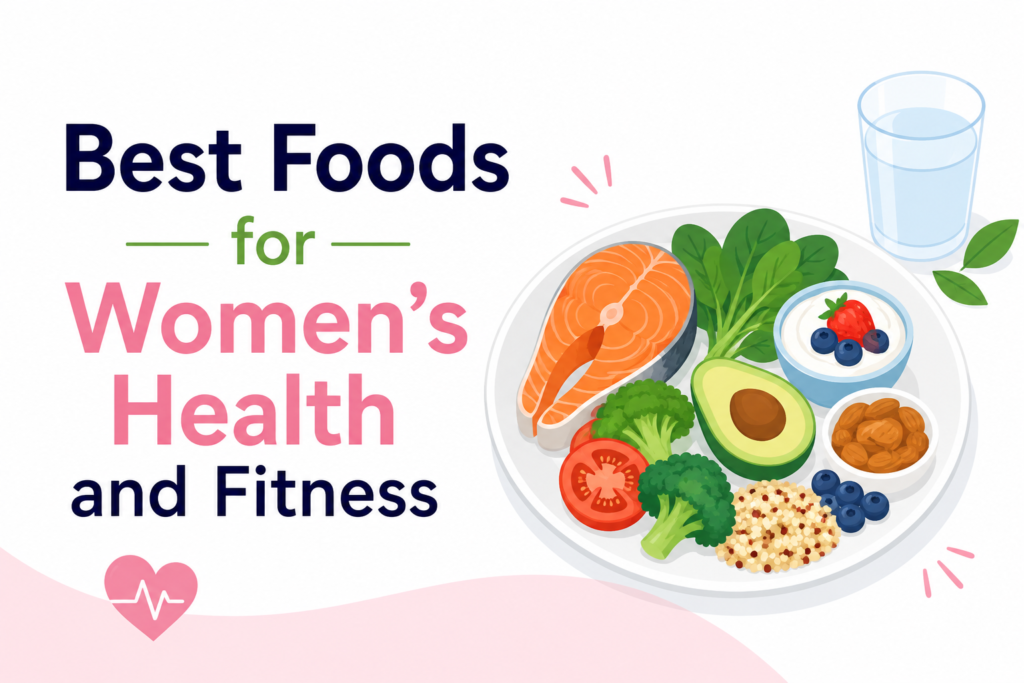
Spinach, carrots, tomatoes, broccoli, berries, oranges, apples, and bell peppers are packed with vitamins, minerals, and antioxidants that help protect your body.
If your meals look colorful, you’re probably getting a wider range of nutrients without even thinking about it.
Fresh is great, but frozen vegetables are also a smart choice. They’re convenient and often just as nutritious.
Protein Helps You Stay Strong
Don’t Skip Protein
Protein isn’t just for athletes.
Your muscles, skin, hair, and even your immune system depend on it. It also keeps you feeling full for longer, which can make healthy eating easier.
Some excellent protein-rich foods include:
- Eggs
- Chicken breast
- Fish
- Greek yogurt
- Paneer
- Lentils
- Chickpeas
- Tofu
- Beans
Try including some protein with every meal instead of eating most of it only at dinner.
It’s a small habit that many nutrition experts recommend.
Healthy Fats Are Your Friend
Choose the Right Fats
For years, people avoided fat because they thought it caused weight gain.
Now we know that healthy fats are actually an important part of a balanced diet.
Foods like avocados, almonds, walnuts, seeds, olive oil, and fatty fish provide healthy fats that support heart health and brain function.
The key is moderation. A handful of nuts makes a great snack, but eating the whole bag probably isn’t the best idea.
Whole Grains Give You Lasting Energy
Choose Whole Instead of Refined
White bread and sugary snacks can give you a quick burst of energy, but it often doesn’t last long.
Whole grains release energy more slowly, helping you stay satisfied throughout the day.
Good choices include:
- Oats
- Brown rice
- Whole wheat bread
- Quinoa
- Millets
- Whole wheat pasta
These foods also contain fiber, which supports digestion and helps maintain healthy cholesterol levels.
Don’t Forget Calcium and Vitamin D
Build Strong Bones
Women naturally have a higher risk of osteoporosis as they get older.
Calcium and vitamin D work together to keep bones strong.
Good calcium-rich foods include:
- Milk
- Yogurt
- Cheese
- Paneer
- Tofu
- Sesame seeds
- Leafy green vegetables
Vitamin D comes from sunlight and foods like fatty fish, egg yolks, and fortified dairy products.
If you’re unsure whether you’re getting enough, it’s worth discussing with your healthcare provider.
Iron Matters More Than Many People Realize
Keep Your Energy Up
Iron helps carry oxygen throughout the body.
Women, especially during their reproductive years, are more likely to develop iron deficiency.
Low iron can lead to tiredness, weakness, headaches, and difficulty concentrating.
Some iron-rich foods include:
- Spinach
- Lentils
- Kidney beans
- Lean red meat
- Pumpkin seeds
- Chickpeas
Eating foods rich in vitamin C, like oranges or tomatoes, alongside iron-rich meals can help your body absorb iron more effectively.
Water Is Part of Good Nutrition Too
Stay Hydrated
It’s easy to focus only on food and forget about water.
Even mild dehydration can leave you feeling tired or less focused.
Carry a reusable water bottle whenever possible and sip throughout the day instead of waiting until you’re thirsty.
If plain water feels boring, add slices of lemon, cucumber, or mint for a little extra flavor.
A Simple Daily Meal Idea
Healthy eating doesn’t have to be complicated.
Here’s one example of a balanced day:
| Meal | Healthy Choice |
|---|---|
| Breakfast | Oatmeal with fruit and nuts |
| Mid-Morning Snack | Greek yogurt |
| Lunch | Brown rice, grilled chicken or dal, vegetables |
| Evening Snack | Apple with almonds |
| Dinner | Grilled fish or tofu with mixed vegetables |
| Before Bed (Optional) | Warm milk |
This isn’t the only healthy way to eat, but it shows how simple balanced meals can be.
Healthy Eating Should Feel Realistic
One thing I’ve noticed is that people often give up because they think one unhealthy meal means they’ve failed. It doesn’t.
If you enjoy pizza at a family gathering or dessert at a birthday party, that’s part of life. A healthy lifestyle isn’t built on one meal—it’s built on hundreds of ordinary choices you make over time.
Focus on eating more whole foods, cooking at home when you can, and listening to your body’s hunger signals. Those habits are much easier to maintain than chasing the latest diet trend. And in the long run, they’re usually the ones that make the biggest difference to your health and fitness.