Bananas often get a mixed reputation when it comes to weight loss. Some people avoid them because they think bananas contain too much sugar or too many calories. Others eat them daily and still manage to lose weight successfully.
So, what’s the truth?
The simple answer is yes, bananas can be good for weight loss when they are part of a balanced diet. They are filling, nutritious, easy to carry, and can help reduce cravings for unhealthy snacks. The problem is that many people judge foods based on one number—usually calories or sugar—without looking at the bigger picture.
Why Bananas Get a Bad Reputation
One medium banana contains about 100–120 calories. Compared to fruits like strawberries or watermelon, that may seem higher. Because of this, some people assume bananas cause weight gain.
But weight loss is not about avoiding one specific fruit. It is about your overall eating habits and calorie intake throughout the day.
Think about it this way. If you replace a packet of chips, a sugary biscuit, or a candy bar with a banana, you’re likely making a healthier choice that keeps you full longer.
The Sugar Myth
Many people hear that bananas contain sugar and immediately think they should avoid them.
Yes, bananas naturally contain sugar. However, this is very different from the added sugars found in soft drinks, cakes, and processed snacks. Bananas also provide fiber, vitamins, and minerals that support overall health.
Your body doesn’t treat a banana the same way it treats a sugary soda.
Nutritional Value of a Banana
Here is the approximate nutrition found in one medium banana:
| Nutrient | Amount |
|---|---|
| Calories | 105 |
| Carbohydrates | 27g |
| Fiber | 3g |
| Protein | 1.3g |
| Fat | 0.3g |
| Potassium | 422mg |
| Vitamin B6 | 20% of Daily Value |
| Vitamin C | 10% of Daily Value |
This combination of nutrients is one reason bananas remain one of the most popular fruits worldwide.
How Bananas May Support Weight Loss
They Help You Feel Full
One of the biggest challenges during weight loss is hunger.
Bananas contain fiber, which slows digestion and helps you feel satisfied for longer. A filling snack can make it easier to avoid mindless eating between meals.
Many people notice that after eating a banana, they are less tempted to reach for unhealthy snacks an hour later.
They Are Convenient
Let’s be honest. Healthy eating is easier when healthy foods are convenient.
Bananas require no preparation, no washing, and no packaging. You can throw one into a bag and eat it almost anywhere. This convenience makes it easier to stick to healthy eating habits.
They Can Replace High-Calorie Snacks
A banana can satisfy a sweet craving without the extra calories found in many desserts.
Instead of reaching for cookies, chocolate bars, or sugary drinks, a banana can provide natural sweetness while offering beneficial nutrients.
Over time, these small swaps can make a noticeable difference.
Does the Ripeness of a Banana Matter?
Interestingly, yes.
Green Bananas
Less ripe bananas contain more resistant starch. This type of carbohydrate is digested more slowly and may help you feel full for longer.
Some people include slightly green bananas in their weight loss diets because they have a lower impact on blood sugar levels.
Ripe Bananas
Ripe bananas are sweeter and easier to digest. They are perfect when you need quick energy before a workout or during a busy day.
Both types can fit into a healthy eating plan. It mostly comes down to personal preference.
Best Ways to Eat Bananas for Weight Loss
There is nothing magical about bananas, but there are smart ways to include them in your diet.
Pair Them With Protein
A banana alone is a good snack. Pairing it with protein can make it even more satisfying.
Some examples include:
- Banana with Greek yogurt
- Banana with peanut butter
- Banana with cottage cheese
- Banana in a protein smoothie
Protein helps keep hunger under control and supports muscle maintenance during weight loss.
Add Them to Breakfast
Many people feel hungry soon after eating a breakfast that lacks fiber.
Sliced bananas can be added to:
- Oatmeal
- Whole-grain cereal
- Yogurt bowls
- Smoothies
This adds natural sweetness without relying on added sugar.
Watch Portion Sizes
Even healthy foods contain calories.
Eating one banana a day is perfectly reasonable for most people. However, eating four or five bananas on top of your regular meals may add more calories than you realize.
Balance is what matters.
Common Mistakes People Make
Blaming One Food for Weight Gain
Weight gain usually happens because of overall lifestyle habits, not because of one fruit.
Bananas are often unfairly blamed simply because they contain more carbohydrates than some other fruits.
Drinking High-Calorie Banana Smoothies
A banana itself isn’t the problem. The issue is often what gets added to it.
A smoothie with banana, ice cream, chocolate syrup, sugar, and full-fat cream can contain several hundred extra calories.
The banana isn’t causing the problem—the extras are.
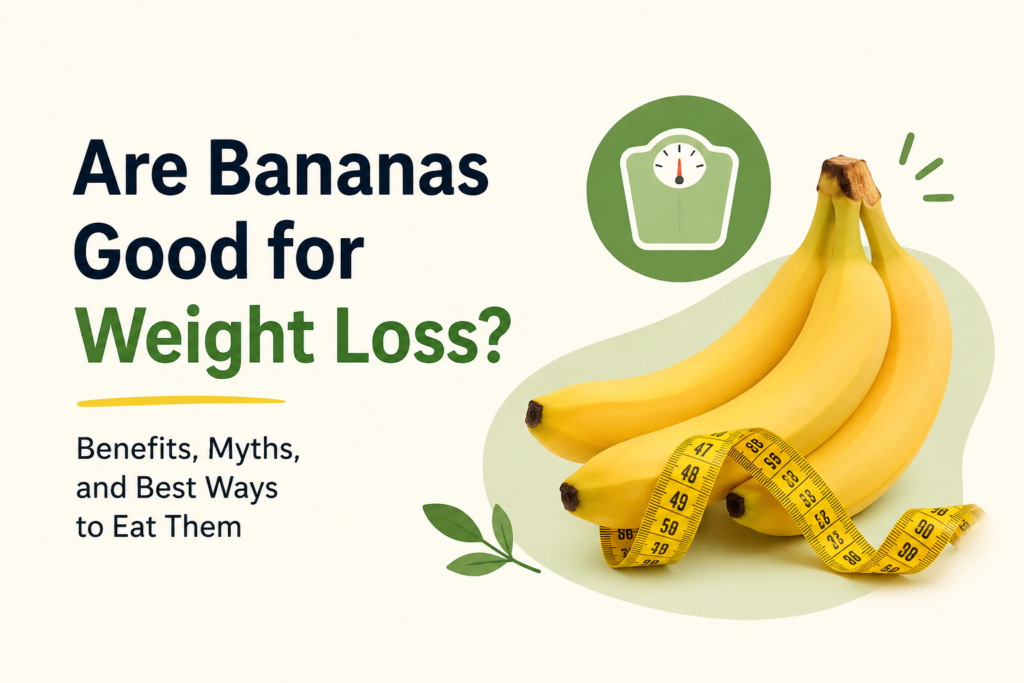
Are Bananas Good for Weight Loss?
For most people, yes.
Bananas provide fiber, important nutrients, natural sweetness, and convenience. They can help reduce cravings and make healthy eating easier. While they are not a miracle weight-loss food, they can absolutely be part of a successful weight management plan.
If you enjoy bananas, there is usually no reason to avoid them. In fact, replacing processed snacks with a simple banana may be one of the easiest healthy changes you can make. A lot of people searching for complicated weight-loss tricks overlook these small everyday habits, but they often matter the most.