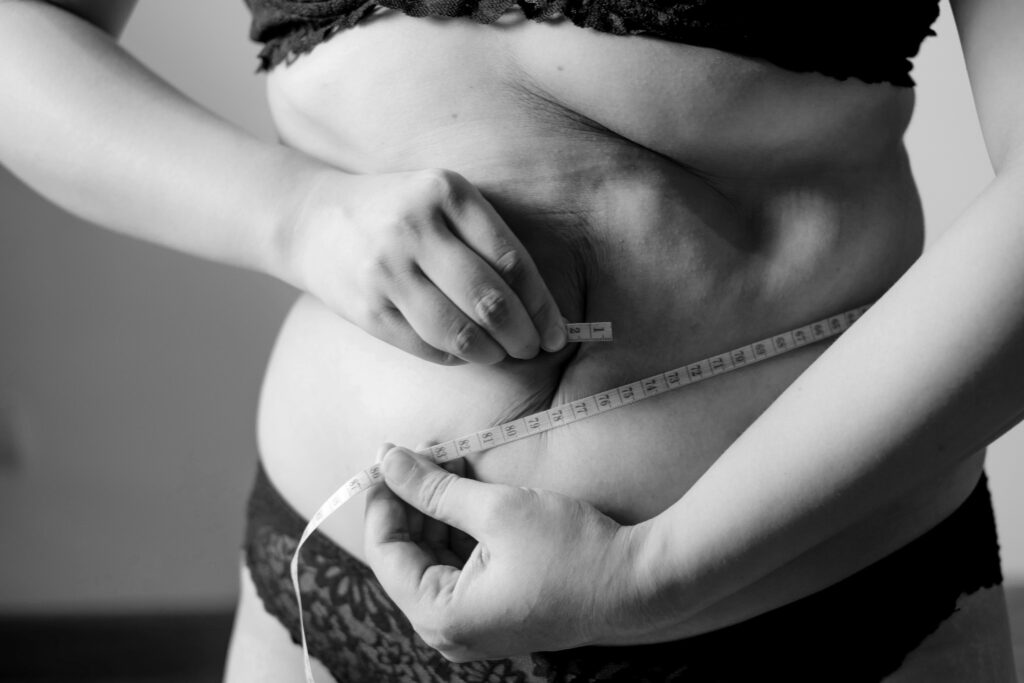
When people think about exercise, they usually imagine jogging, lifting weights, cycling, or spending time at the gym.
Very few people look at a pile of laundry and think, “Well, there’s today’s workout.”
But maybe they should.
Housework may not feel like traditional exercise, yet many daily chores require movement, effort, and energy. Sweeping floors, mopping, washing clothes, gardening, cleaning windows, and carrying groceries all get your body moving in ways that many of us don’t even notice.
The question is: does that actually count as exercise?
The answer is a little more interesting than a simple yes or no.
Why Movement Matters More Than We Think
One thing health experts often talk about is the importance of staying active throughout the day.
Many people spend hours sitting at desks, in cars, or on the couch. In that situation, even small bursts of movement can make a difference.
Housework naturally adds movement to your routine.
You walk from room to room, bend down, stretch, lift objects, climb stairs, and stay on your feet for extended periods. While it may not feel as structured as a workout, your body is still working.
In fact, some people finish a deep-cleaning session feeling just as tired as they would after a long walk.
Not All Chores Are Equal
Of course, different tasks require different amounts of effort.
Folding clothes while sitting on a chair isn’t quite the same as scrubbing floors or carrying buckets of water.
Generally, chores that involve continuous movement and larger muscle groups tend to provide more physical activity.
Housework That Gets You Moving
Some household tasks are surprisingly active.
Sweeping and Mopping
These activities involve arm movements, walking, bending, and balance.
If you’ve ever spent an hour cleaning the entire house, you probably know it can leave you sweating, especially during warmer months.
Gardening
Many people don’t think of gardening as exercise, but it often involves digging, lifting, squatting, and carrying.
A few hours in the garden can be quite physically demanding.
Vacuuming and Cleaning
Vacuuming, dusting, washing windows, and scrubbing surfaces keep the body moving continuously.
These activities may not raise your heart rate as much as running, but they certainly aren’t passive.
Carrying Groceries
Anyone who has carried several heavy grocery bags up a flight of stairs knows that this can feel like a workout.
Your arms, shoulders, back, and legs all get involved.
How Housework Compares to Traditional Exercise
This is where things become important.
Housework counts as physical activity, but it may not always replace structured exercise.
For example, a brisk 30-minute walk usually keeps your heart rate elevated for a consistent period. Some household chores may be more stop-and-start, which can reduce the overall cardiovascular benefit.
That doesn’t mean housework isn’t valuable.
It simply means that the benefits depend on the type of activity and how intensely you perform it.
A Simple Comparison
| Activity | Physical Effort Level |
|---|---|
| Folding Laundry | Low |
| Dusting | Low to Moderate |
| Sweeping | Moderate |
| Mopping Floors | Moderate |
| Vacuuming | Moderate |
| Gardening | Moderate to High |
| Carrying Groceries | Moderate to High |
As you can see, some chores are much more demanding than others.
The Hidden Benefit of Household Chores
One thing I’ve noticed is that many people underestimate the value of staying active throughout the day.
Sometimes people focus only on formal exercise and ignore everything else.
Imagine two individuals:
- One goes to the gym for 45 minutes but sits for most of the day.
- The other spends the day cleaning, gardening, climbing stairs, and moving around the house.
Both are getting physical activity, just in different ways.
The second person may actually burn a surprising number of calories through daily movement alone.
Why Consistency Matters
The body doesn’t really care whether movement comes from a treadmill or a mop.
What matters is that you’re moving.
Small activities performed regularly can contribute to better health over time.
Can Housework Help With Weight Management?
It can certainly contribute.
Housework burns calories because your muscles are working and your body is using energy. However, the exact amount varies depending on your body weight, the activity, and how long you do it.
The biggest advantage is that housework doesn’t require extra time in your schedule.
You’re already doing these tasks. The physical activity comes as a bonus.
Making Household Chores More Active
If you want to get a little more fitness benefit from housework, you can make simple adjustments.
Try Moving With More Energy
- Walk faster while cleaning.
- Take stairs instead of elevators.
- Carry lighter loads more often rather than using a cart.
- Put on music and keep moving.
- Avoid long breaks between tasks.
These small changes can increase the amount of activity without making chores feel much harder.
Housework may never replace every type of exercise, but it absolutely counts as movement. On busy days when fitting in a workout feels impossible, cleaning the house, gardening, or tackling household tasks can be a practical way to stay active. Sometimes fitness isn’t only about what happens in a gym—it’s also about how much you move during everyday life.