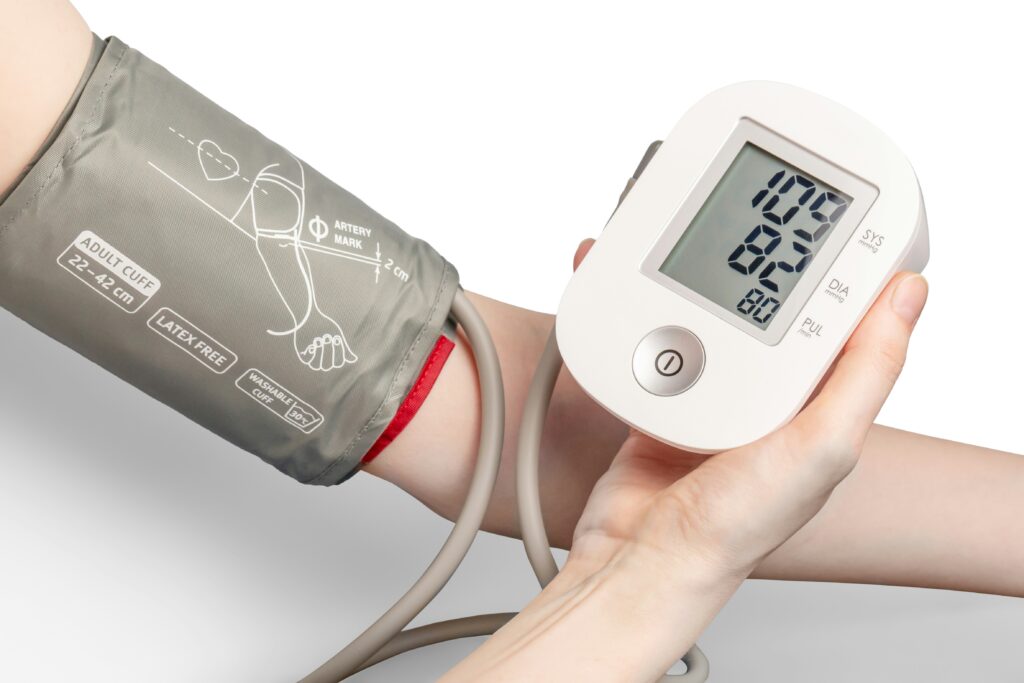
If you’ve ever checked your fitness tracker and felt disappointed because you didn’t reach 10,000 steps, you’re not alone.
For years, the idea that everyone should walk 10,000 steps a day has been treated almost like a rule. Many people believe that anything less means they aren’t active enough. But the reality is a little more interesting.
The good news? You may not need to hit that magic number every single day to enjoy the benefits of walking.
So, how many steps a day are enough? The answer depends on your age, lifestyle, and health goals. Let’s take a closer look.
Where Did the 10,000 Steps Goal Come From?
Many people assume the 10,000-step target came from scientific research. Surprisingly, it didn’t.
The number became popular after a Japanese pedometer marketing campaign in the 1960s. The device was called “Manpo-kei,” which roughly translates to “10,000-step meter.”
Over time, the number stuck. Fitness companies adopted it, and eventually it became a global benchmark for daily activity.
That doesn’t mean 10,000 steps is bad. It’s just not a requirement for everyone.
What Research Says About Daily Steps
Recent studies have shown that health benefits begin well before 10,000 steps.
Researchers found that people who increased their daily movement, even by a few thousand steps, experienced improvements in overall health. Walking regularly can help support heart health, improve mood, and reduce the risks associated with a sedentary lifestyle.
Here’s a simple way to look at it:
| Daily Steps | Activity Level |
|---|---|
| Under 3,000 | Mostly inactive |
| 3,000–5,000 | Lightly active |
| 5,000–7,500 | Moderately active |
| 7,500–10,000 | Active |
| 10,000+ | Very active |
The important thing isn’t chasing a perfect number. It’s moving more than you currently do.
Why Walking Matters More Than the Exact Number
Sometimes people become so focused on step counts that they forget the bigger picture.
Walking is one of the easiest forms of exercise because almost anyone can do it. It doesn’t require expensive equipment, special skills, or a gym membership.
A daily walk can help:
- Support heart health
- Improve blood circulation
- Maintain a healthy weight
- Reduce stress
- Improve sleep quality
- Boost energy levels
- Strengthen muscles and joints
Even a short walk after meals can be beneficial. Many people notice they feel less sluggish and more energized when they stay active throughout the day.
How Many Steps Are Enough for Most Adults?
For General Health
For many adults, around 6,000 to 8,000 steps per day is enough to support overall health.
If you’re currently averaging 3,000 or 4,000 steps, jumping straight to 10,000 isn’t necessary. Gradually increasing your daily movement can make a noticeable difference.
A person who consistently walks 7,000 steps every day may be doing far better than someone who reaches 10,000 steps only once or twice a week.
For Weight Management
If weight loss or weight maintenance is your goal, you may benefit from aiming for higher daily activity levels.
However, steps alone don’t determine weight changes. Nutrition, sleep, stress, and overall activity levels also play important roles.
A brisk 7,000-step walk often provides more fitness benefits than 10,000 slow, casual steps spread throughout the day.
For Older Adults
Older adults may not need extremely high step counts to gain health benefits.
For many seniors, 5,000 to 7,000 daily steps can help maintain mobility, independence, and cardiovascular health. The key is consistency and walking at a comfortable pace.
Small Changes Add Up
One thing people often underestimate is how easy it is to add extra steps without setting aside a full hour for exercise.
Try simple habits like:
- Taking phone calls while walking
- Parking a little farther away
- Using stairs when possible
- Walking after lunch or dinner
- Getting up every hour during work
These small actions may seem insignificant, but they can add hundreds or even thousands of steps by the end of the day.
A Simple Example
Imagine someone who currently walks about 4,000 steps daily.
They decide to:
- Take a 10-minute morning walk
- Walk for 15 minutes after dinner
- Use stairs instead of elevators
Without much effort, they could increase their total to 6,000 or 7,000 steps. That’s a meaningful improvement without completely changing their routine.
Don’t Compare Your Step Count to Others
This is where many people get frustrated.
A delivery worker, nurse, or retail employee may naturally accumulate 12,000 or more steps during a workday. Someone with a desk job may struggle to reach 5,000.
That doesn’t mean one person is healthier than the other.
Your daily step goal should fit your lifestyle and physical condition. Comparing numbers often creates unnecessary pressure.
Some days you’ll walk more. Other days you’ll walk less. That’s normal.
Quality Matters Too
Walking pace can be just as important as total steps.
A brisk walk that slightly increases your breathing rate provides additional cardiovascular benefits. You don’t need to power walk everywhere, but adding some faster-paced walking during the day can be helpful.
Think of steps as one piece of the puzzle rather than the entire picture.
Finding Your Personal Step Goal
Instead of asking, “Do I need 10,000 steps?” a better question might be, “Am I moving more than I was before?”
For many people, a realistic goal of 6,000 to 8,000 daily steps is enough to support good health. If you enjoy walking and want to go beyond that, great. If not, that’s okay too.
The healthiest walking habit is the one you can maintain consistently.
At the end of the day, your body benefits from regular movement—not from chasing a number on a screen. A daily walk around your neighborhood, a stroll after dinner, or a few extra trips up the stairs may be doing more for your health than you realize.