When people talk about drinks that support heart health, green tea usually gets all the attention. And to be fair, it has earned its reputation. But if you’re someone who doesn’t enjoy the taste of green tea—or you’re simply looking for other options—there are a few drinks worth knowing about.
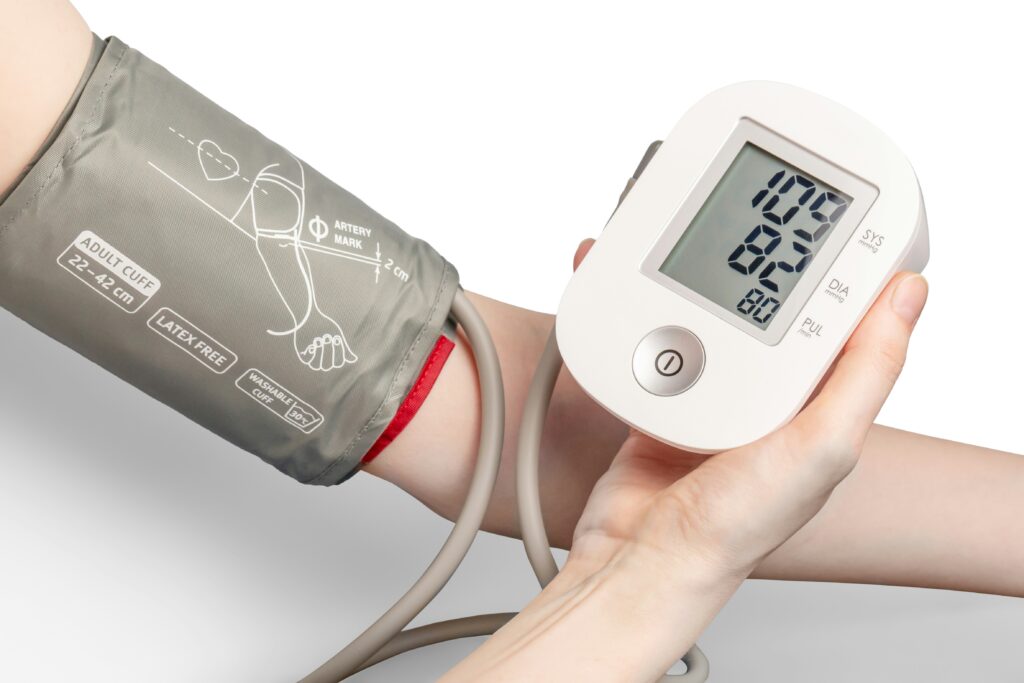
Blood pressure is something many people don’t think about until a doctor brings it up during a checkup. The tricky part is that high blood pressure often has no obvious symptoms. You can feel perfectly fine while your heart and blood vessels are working harder than they should.
The good news? Small lifestyle choices can make a difference. Along with regular exercise, good sleep, and a balanced diet, certain drinks may support healthy blood vessel function.
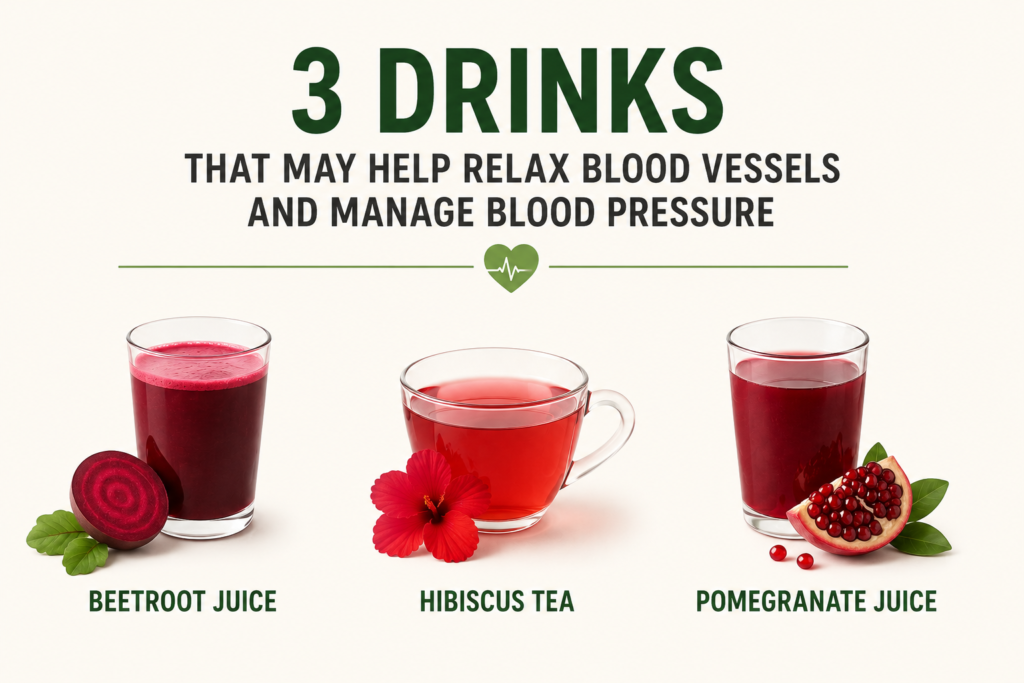
Let’s look at three beverages that have attracted attention for their potential heart-health benefits.
Why Relaxed Blood Vessels Matter
Before jumping into the drinks, it’s helpful to understand what’s happening inside the body.
Blood vessels aren’t just tubes carrying blood around. They can tighten or relax depending on various factors. When blood vessels stay more relaxed and flexible, blood can flow more easily. That often means less pressure on the artery walls.
Think of it like water moving through a wide garden hose versus a narrow one. The wider path allows smoother flow.
That’s one reason researchers often focus on foods and drinks that may support healthy blood vessel function.
Beetroot Juice Has Become Surprisingly Popular
A few years ago, beetroot juice was mostly something health enthusiasts talked about. Now it’s showing up everywhere.
What Makes Beetroot Juice Different?
Beets naturally contain nitrates. Inside the body, these compounds can be converted into nitric oxide, which helps blood vessels relax and widen.
Many athletes drink beetroot juice before workouts because of its possible effects on circulation and endurance. But the same process has also made researchers interested in its role in blood pressure management.
The taste can be a little earthy. Some people love it immediately, while others need time to get used to it.
A simple trick is mixing beetroot juice with apple juice or carrot juice if the flavor feels too strong.
Hibiscus Tea Is More Than Just a Pretty Drink
If you’ve ever seen a bright red herbal tea, there’s a good chance it was hibiscus tea.
Its deep color makes it look almost like fruit punch, but it has a slightly tart flavor that’s refreshing, especially when served cold.
A Traditional Drink With Modern Interest
Hibiscus has been used in different cultures for generations. In recent years, researchers have become interested in whether compounds in the flower may help support healthy blood pressure levels.
One thing people often enjoy about hibiscus tea is that it doesn’t contain caffeine. That makes it a good option for those trying to cut back on coffee or regular tea.
I know a few people who started drinking it simply because they liked the color. The potential health benefits were just a bonus.
A cup in the afternoon can feel surprisingly refreshing, especially during warmer months.
Pomegranate Juice Deserves More Attention
Pomegranate doesn’t always get the spotlight it deserves.
It’s one of those fruits people admire in the grocery store but don’t buy very often because opening it can feel like a project.
Thankfully, pomegranate juice offers a much easier option.
Rich in Natural Plant Compounds
Pomegranates contain antioxidants called polyphenols. These compounds have been studied for their potential role in supporting blood vessel health and reducing oxidative stress.
Many people describe pomegranate juice as sweet with a slightly tangy finish. It feels a little more special than everyday fruit juice.
Of course, it’s worth checking labels when buying packaged versions because some products contain added sugar.
Choosing a variety with little or no added sugar is usually the better option.
A Quick Comparison
| Drink | Potential Benefit | Caffeine |
|---|---|---|
| Beetroot Juice | Supports nitric oxide production and blood vessel relaxation | No |
| Hibiscus Tea | May help support healthy blood pressure levels | No |
| Pomegranate Juice | Rich in antioxidants that support blood vessel health | No |
A Few Things People Sometimes Forget
It’s easy to read about a healthy drink and expect dramatic results. Real life doesn’t usually work that way.
One glass of beetroot juice won’t magically fix high blood pressure. The same goes for hibiscus tea and pomegranate juice.
These drinks work best as part of an overall healthy lifestyle.
That means:
- Staying physically active
- Eating plenty of fruits and vegetables
- Limiting excess salt
- Getting enough sleep
- Managing stress when possible
- Following medical advice if you have high blood pressure
Sometimes people focus on finding a single “superfood” while overlooking the basics. The basics still matter most.
Small Changes Often Add Up
One thing I’ve noticed is that sustainable habits tend to beat dramatic changes every time. Swapping a sugary drink for hibiscus tea a few times a week may not sound exciting, but those little choices add up over months and years.
The same goes for adding a glass of beetroot juice or choosing pomegranate juice occasionally instead of a heavily sweetened beverage.
None of these drinks are miracle cures. Still, they offer interesting ways to support heart health while adding variety to your daily routine.
And if green tea has never been your favorite, it’s nice to know there are other options sitting on the shelf.