Menopause is a natural stage of life, but that doesn’t mean it’s always easy. For many women, it brings unexpected changes—hot flashes, mood swings, poor sleep, weight gain, and tiredness can suddenly become part of everyday life. Some women notice only a few changes, while others feel like their bodies are working against them.
The good news is that one simple habit can make a real difference: regular exercise.
You don’t have to become a gym lover or spend hours working out every day. Even small amounts of movement can help your body adjust to hormonal changes and make you feel stronger, healthier, and more in control.
Why Exercise Becomes More Important During Menopause
As estrogen levels begin to fall, your body changes in several ways. Your metabolism may slow down, muscle mass naturally decreases, and bones become more fragile over time. These changes can increase the risk of weight gain, osteoporosis, heart disease, and joint pain.
Exercise cannot stop menopause, of course. But it can help your body handle these changes much better.
Many women say they feel more energetic after staying active for a few weeks. It may not solve every symptom overnight, but it often makes daily life feel a little easier.
H2: Exercise Can Help Manage Common Menopause Symptoms
Menopause affects every woman differently, but regular physical activity has been shown to improve many of its most common symptoms.
H3: Better Mood and Less Stress
Hormonal changes can sometimes leave you feeling emotional, anxious, or easily irritated. Exercise encourages your brain to release chemicals called endorphins, often known as “feel-good hormones.”
Even a brisk walk around your neighborhood can lift your mood. On difficult days, getting outside for twenty minutes may help more than you expect.
H3: Improved Sleep
Many women struggle with sleep during menopause. Night sweats and frequent waking can make mornings feel exhausting.
Regular exercise may help improve sleep quality by reducing stress and helping your body follow a healthier sleep pattern. Just try to avoid intense workouts right before bedtime, as they may make it harder to fall asleep.
H3: Support for Weight Management
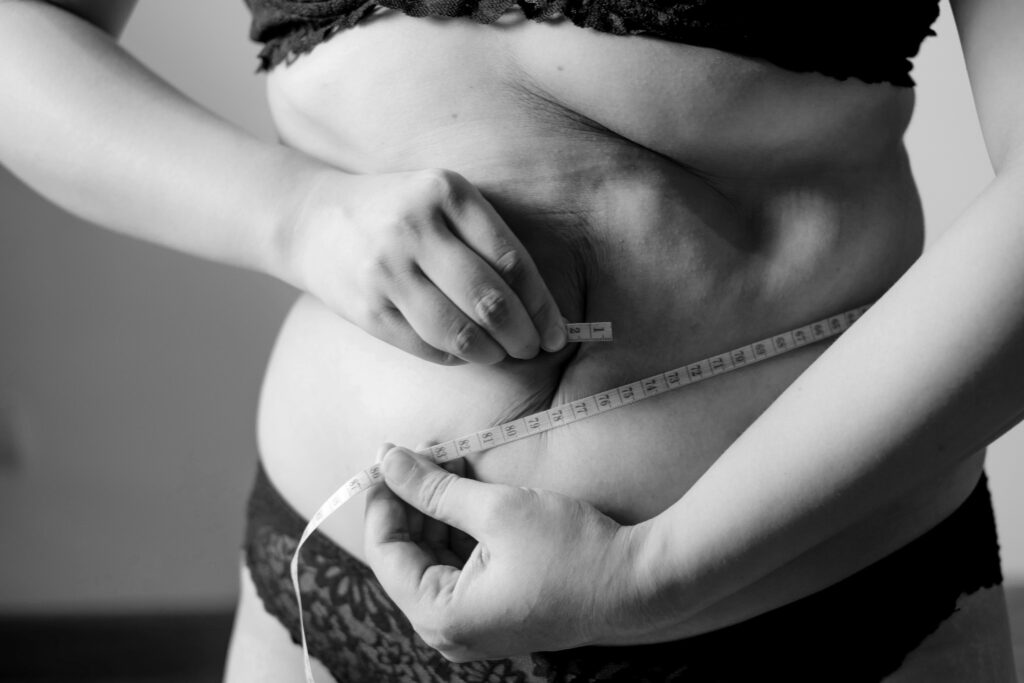
Weight gain around the waist is one of the most common complaints during menopause.
While exercise alone isn’t a magic solution, it burns calories, preserves muscle, and helps keep your metabolism more active. Combined with healthy eating, it becomes much easier to manage your weight over time.
Strength Training Is More Important Than Many Women Realize
One thing that often surprises women is how quickly muscle strength can decline during menopause.
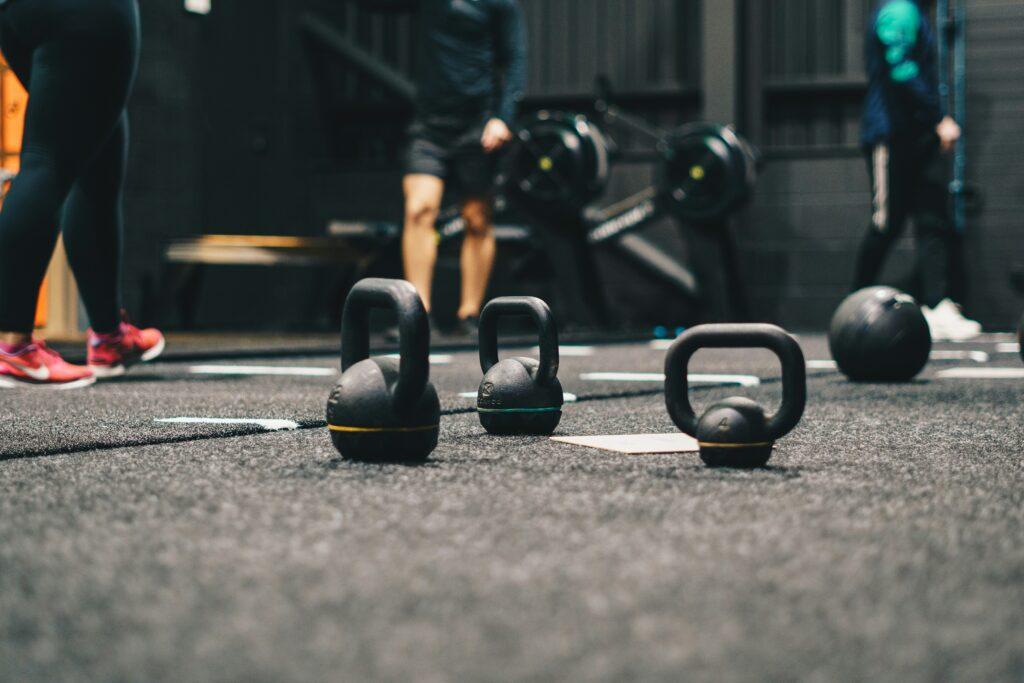
Adding strength training two or three times a week helps protect muscle mass and supports healthy bones. You don’t need heavy gym equipment to get started.
Simple exercises such as:
- Squats
- Wall push-ups
- Lunges
- Resistance band exercises
- Light dumbbell workouts
can be very effective.
Building muscle also helps your body burn more energy, even while resting.
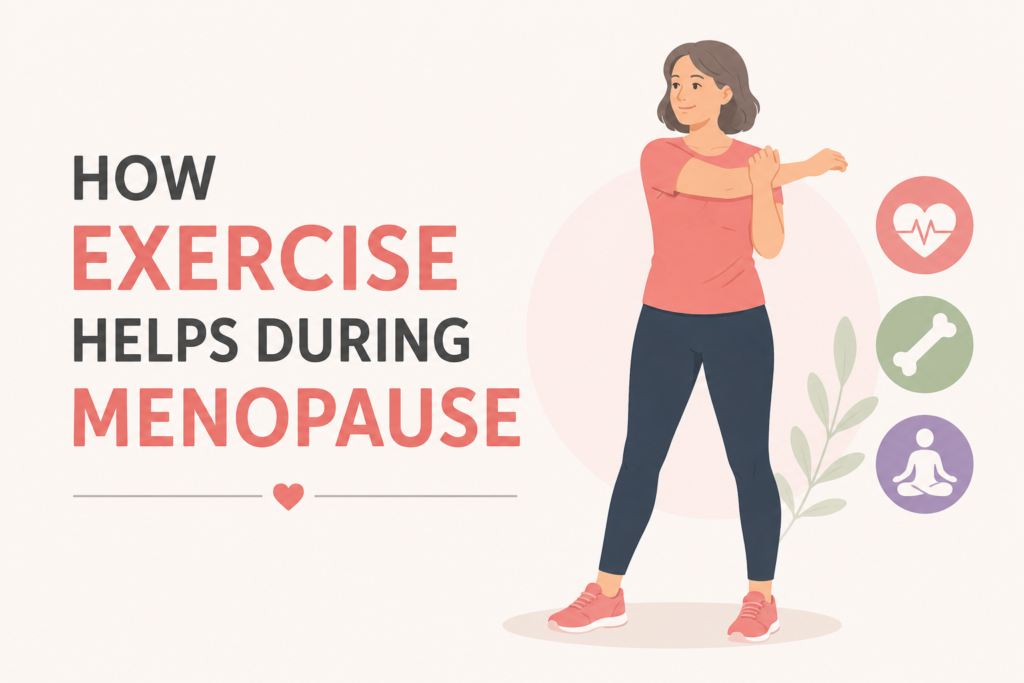
H2: Protecting Your Bones and Joints
Lower estrogen levels increase the risk of osteoporosis, making bones weaker over time.
Weight-bearing exercises encourage your bones to stay stronger. Walking, dancing, stair climbing, hiking, and light jogging all place gentle stress on the bones, which helps maintain bone density.
Strength training offers additional protection by improving both muscle and bone health.
If you already have joint pain, low-impact exercises like swimming or cycling can be excellent choices. They keep you moving without putting too much pressure on your knees and hips.
Don’t Forget About Your Heart
Heart disease becomes more common after menopause.
Regular aerobic exercise helps keep your heart healthy by:
- Improving blood circulation
- Lowering blood pressure
- Reducing bad cholesterol
- Improving blood sugar control
- Supporting a healthy weight
Experts generally recommend aiming for at least 150 minutes of moderate physical activity each week. That may sound like a lot, but it works out to about 30 minutes a day, five days a week.
And remember, you don’t have to do it all at once. Three 10-minute walks count too.
Flexibility and Balance Matter More Than You Think
As we get older, balance naturally becomes less steady.
Simple activities like yoga, Pilates, and stretching improve flexibility while strengthening the muscles that help prevent falls.
Many women also find that yoga reduces stress and helps them feel calmer during hormonal changes.
You don’t need to touch your toes or master difficult poses. Gentle movements done regularly are enough to notice improvements.
H2: Staying Motivated When Energy Feels Low
Some days, menopause can leave you feeling completely drained. That’s normal.
Instead of aiming for perfect workouts, focus on consistency.
Here are a few ideas that make exercise easier:
- Walk with a friend.
- Listen to music or a podcast.
- Dance while doing household chores.
- Take the stairs instead of the lift.
- Stretch while watching television.
- Park a little farther from the entrance when shopping.
Small habits may seem unimportant, but they build into a healthier routine over time.
Listen to Your Body
Not every workout will feel great, and that’s okay.
If you’re having a day with hot flashes or poor sleep, choose a gentler activity instead of skipping movement completely.
Drink enough water before, during, and after exercise, especially if you’re sweating more than usual. Wear lightweight, breathable clothing to stay comfortable during workouts, and don’t forget to give your body time to recover.
The goal isn’t to exercise harder than everyone else. It’s to move in a way that helps you feel stronger, sleep better, protect your bones, and enjoy everyday life with a little more energy. Menopause is a new chapter, and staying active is one of the simplest ways to make that journey feel healthier and more manageable.