Stress has quietly become part of daily life for many people. Work pressure, money worries, family responsibilities, health concerns, endless notifications — sometimes the mind barely gets a chance to rest properly.
And honestly, most people do not even notice how stressed they are until the body starts reacting.
Poor sleep, headaches, irritation, low energy, overthinking, emotional eating… stress shows up in different ways for different people.
The good thing is that reducing stress does not always require complicated solutions. Small daily habits at home can genuinely help the mind feel calmer over time.
Your Mind Needs Breaks More Often Than You Think
A lot of people stay mentally active from morning until late night without stopping properly.
Even during “rest,” they are scrolling through social media, checking messages, or watching stressful news updates continuously.
That is not real mental rest.
Quiet Moments Actually Matter
Simple calming activities help more than many people realize:
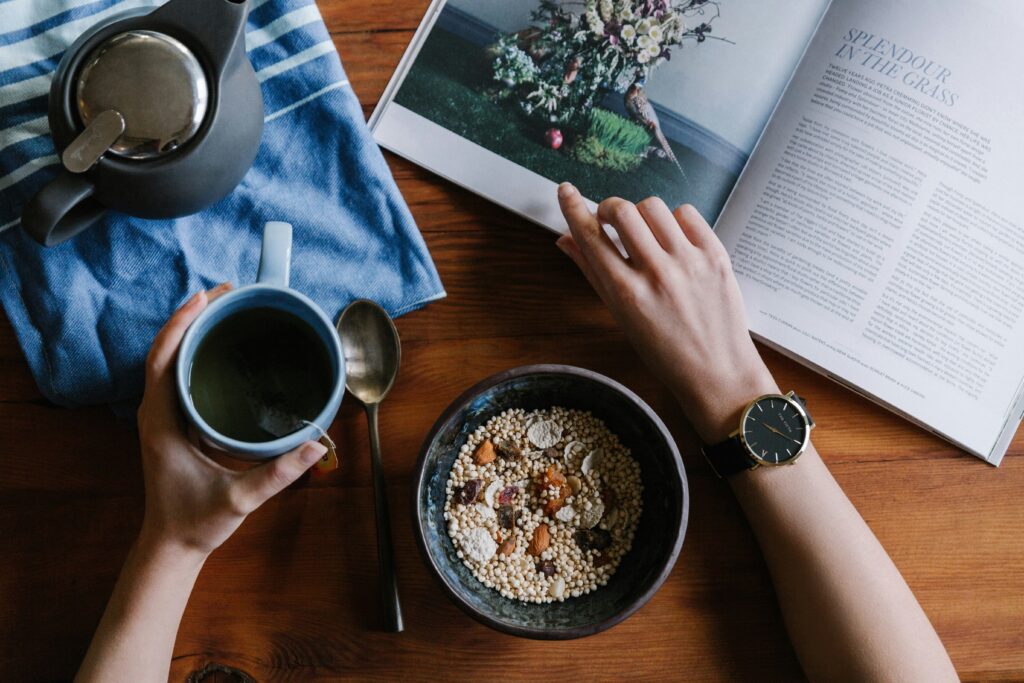
- Sitting quietly with tea
- Listening to soft music
- Spending time near plants
- Watching the evening sky
- Staying away from screens for a while
One friend once said she realized her brain had become addicted to constant noise. Silence started feeling uncomfortable at first. Honestly, many people can probably relate to that now.
Sleep and Stress Are Deeply Connected
When stress increases, sleep quality usually gets worse. And then poor sleep creates even more stress the next day.
It becomes a cycle very quickly.
Better Sleep Helps Calm the Nervous System
A few simple night habits can help:
| Habit | Why It Helps |
|---|---|
| Reducing screen time before bed | Helps the mind slow down |
| Sleeping at a fixed time | Supports body rhythm |
| Keeping lights dim at night | Creates a calmer atmosphere |
| Avoiding heavy late-night meals | Improves sleep comfort |
Honestly, late-night overthinking feels much stronger when the body is already exhausted.
Movement Helps Release Mental Pressure
People often connect exercise only with physical fitness, but movement affects emotional health too.
You Do Not Need Intense Workouts
Even small activities help reduce stress:
- Walking around the neighborhood
- Stretching at home
- Light yoga
- Dancing casually
- Gardening
Sometimes a short walk outside changes mood faster than sitting indoors overthinking everything.
One thing many people notice is that stress feels heavier when they stay inactive all day.
Home Environment Affects Mental Peace
A cluttered or noisy environment quietly affects the mind more than people expect.
Small Changes Can Make Home Feel Calmer
Simple things help:
- Opening windows for fresh air
- Cleaning one small area
- Using softer lighting at night
- Keeping plants indoors
- Reducing unnecessary noise
The goal is not creating a perfect house. Honestly, nobody lives in a Pinterest-style home every day. But peaceful surroundings still help the mind relax naturally.
Talking to Someone Helps More Than Staying Silent
Stress becomes heavier when people carry everything alone.
Many people isolate themselves during difficult times without realizing it. They stop talking properly, avoid messages, and stay trapped in their thoughts.
Human Connection Matters
Sometimes people do not need advice. They simply need someone who listens calmly without judging.
Even casual conversations with friends or family can reduce emotional pressure surprisingly fast.
One honest conversation often feels lighter than pretending everything is fine for weeks.
Food and Caffeine Affect Stress Too
This part gets ignored often.
Too much caffeine, sugary snacks, irregular meals, and dehydration can increase anxiety and irritability for some people.
Small Food Habits Support Better Mood
Healthy stress-supporting habits include:
- Drinking enough water
- Eating meals on time
- Reducing excessive caffeine
- Including fruits and homemade food
People sometimes think they are emotionally stressed when actually their body is physically exhausted too.
Breathing Slowly Really Does Help
This sounds overly simple, but controlled breathing genuinely affects the nervous system.
Slow Breathing Helps Calm the Body
A simple method:
- Inhale slowly for a few seconds
- Hold briefly
- Exhale slowly
Doing this quietly for even five minutes can reduce physical tension noticeably.
Honestly, many people breathe very shallowly during stress without realizing it.
Stop Expecting Yourself to Handle Everything Perfectly
A huge amount of stress comes from unrealistic self-pressure.
People feel guilty for resting. Guilty for slowing down. Guilty for not being productive constantly.
That mindset becomes exhausting after a while.
It Is Okay to Have Slow Days
Some days will feel emotionally heavy. Some days motivation disappears completely. That does not automatically mean failure.
The mind needs recovery just like the body does.
Stress reduction is usually not about one miracle habit. It comes from small calming routines repeated regularly — proper sleep, movement, healthy food, quiet moments, emotional support, and giving yourself permission to slow down sometimes.
And honestly, life feels lighter when the mind gets even a little breathing space every day.