When people hear the words “fatty liver,” they usually think about alcohol, junk food, or a diet full of greasy meals. And yes, those things can certainly play a role. But researchers have been paying attention to another factor that often gets overlooked—a lack of a nutrient called choline.
Many people have never even heard of choline. It is not discussed as often as vitamin D, calcium, or iron. Yet this nutrient is incredibly important for liver function, brain health, and metabolism.
Interestingly, some people who rarely drink alcohol and do not eat much fried food still develop fatty liver disease. In some cases, low choline intake may be one of the reasons.
What Exactly Is Fatty Liver?
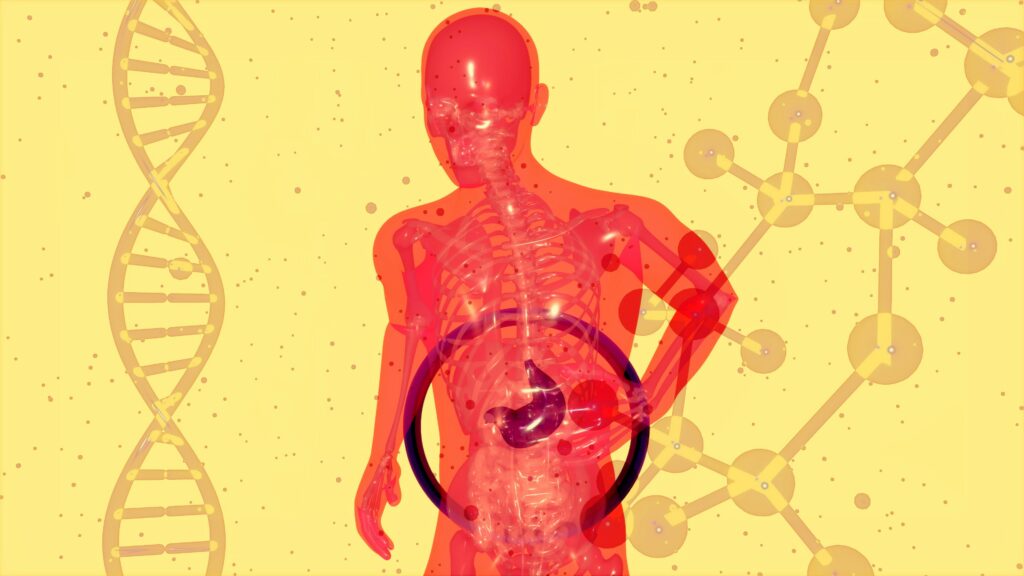
Fatty liver happens when excess fat builds up inside liver cells. A small amount of fat is normal, but when it starts accumulating beyond healthy levels, it can interfere with how the liver works.
The liver is responsible for hundreds of jobs in the body. It helps process nutrients, remove toxins, regulate blood sugar, and support digestion. When fat continues to build up, inflammation can develop, leading to more serious liver problems over time.
Many people with fatty liver do not notice symptoms in the early stages. Some may feel tired, experience discomfort in the upper abdomen, or simply feel low on energy without knowing why.
The Nutrient That Often Gets Ignored: Choline
Choline is an essential nutrient that helps the body transport and process fats properly. One of its most important jobs is preventing fat from becoming trapped inside the liver.
Without enough choline, the liver struggles to move fat where it needs to go. As a result, fat can begin accumulating within liver cells.
That is why researchers have found connections between low choline intake and an increased risk of fatty liver disease.
You could be eating relatively well and still not be getting enough of this nutrient.
Why Choline Matters for the Liver
Think of choline as a helper that keeps fat moving through the body’s transportation system.
When choline levels are adequate, the liver can package fats and send them into the bloodstream where they can be used or stored appropriately.
When choline is lacking, this process becomes less efficient. Over time, fat may start building up in the liver.
This is one reason why nutrition experts increasingly view choline as an important part of liver health.
Are People Getting Enough Choline?
Surprisingly, many adults do not meet the recommended intake levels.
Modern eating habits may be part of the problem. People often avoid certain foods that naturally contain choline, especially eggs, due to outdated concerns about dietary cholesterol.
Others may follow restrictive diets that unintentionally reduce choline intake.
Here are some common food sources:
| Food | Choline Content |
|---|---|
| Egg yolks | Very high |
| Beef liver | Extremely high |
| Chicken | Good source |
| Fish | Good source |
| Soybeans | Moderate source |
| Broccoli | Moderate source |
| Brussels sprouts | Moderate source |
| Dairy products | Small to moderate amounts |
Eggs remain one of the easiest and most affordable sources of choline for many people.
Fatty Liver Is Usually More Complicated Than One Cause
Of course, it would be misleading to say that choline deficiency is the only reason people develop fatty liver.
The condition is usually influenced by several factors working together.
Other Common Risk Factors
- Excess body weight
- Insulin resistance
- Type 2 diabetes
- High sugar consumption
- Physical inactivity
- Genetics
- Certain medications
- Poor overall diet quality
Still, nutrient deficiencies are often overlooked during discussions about liver health.
Many people focus entirely on what they should stop eating and forget to ask whether they are missing important nutrients their body actually needs.
Signs You Might Not Be Getting Enough Choline
Choline deficiency is not always easy to spot.
Some possible signs may include:
- Fatigue
- Muscle weakness
- Difficulty concentrating
- Memory issues
- Elevated liver enzymes
- Fat accumulation in the liver
These symptoms can have many causes, so they are not proof of choline deficiency. However, they may be worth discussing with a healthcare professional if they persist.
Supporting Your Liver Naturally
Improving liver health does not always require complicated detox plans or expensive supplements.
In many cases, simple habits make the biggest difference.
Focus on Nutrient-Dense Foods
A diet rich in vegetables, fruits, lean proteins, healthy fats, and choline-containing foods provides the liver with the nutrients it needs to function properly.
Stay Active
Regular movement helps the body use fat more efficiently and can reduce fat accumulation in the liver.
Even a daily walk can be beneficial.
Watch Added Sugars
Many experts believe excess sugar intake, especially from sugary drinks, plays a major role in fatty liver development.
Reducing sweetened beverages is often a smart place to start.
Get Regular Checkups
Fatty liver can develop silently for years. Routine health screenings can help identify liver issues before they become more serious.
Why This Nutrient Deserves More Attention
The conversation around fatty liver often focuses on alcohol and fried foods. While those factors matter, they are not the entire story.
Nutrition is more than just avoiding unhealthy foods. It is also about making sure the body receives the nutrients it needs to perform essential functions.
Choline may not be the most famous nutrient, but it plays a surprisingly important role in keeping fat from building up in the liver. For many people, paying attention to choline-rich foods could be one small but meaningful step toward better liver health and overall well-being.